The essentials in 30 seconds
- Is whey vegan? No. Whey is extracted from milk: it is not suitable for vegans, even as a low-lactose "isolate".
- "Plant-based whey": the everyday name for a protein powder made from plants: pea, rice, soy, hemp, pumpkin, fava bean…
- The right choice: a blend of several sources (pea + rice first) or soy, with "vegan" on the pack.
- Taste: thicker and more "earthy" than whey; perfect in oat milk, a smoothie or porridge.
Is whey vegan?
No. Whey is the liquid left over when cheese is made. Its proteins are extracted and dried into powder, so whey is a dairy product, just like casein, the other milk protein.
It generally suits vegetarians who eat dairy, but not vegans, nor people allergic to milk proteins. And contrary to a common belief, a whey isolate is not "milk-free": it simply contains very little lactose. To learn everything about classic whey, read our whey guide.
Tonic Food tip: "plant-based whey" doesn't really exist, it's a shortcut. In store and on our site, look for "vegan protein", "plant protein" or "plant-based protein".
Pea, rice, soy… where does plant protein come from?
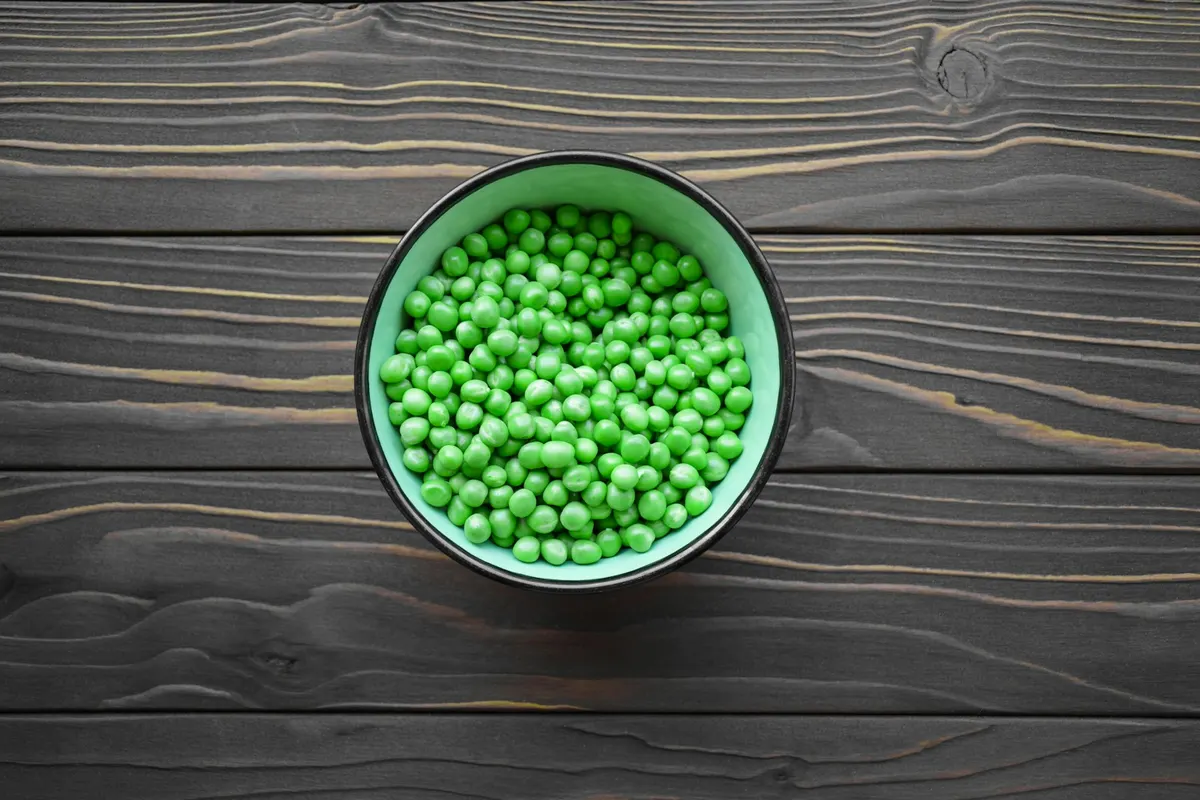
The base of almost every vegan protein, often as an "isolate". Fairly neutral taste, creamy texture. Rich in lysine, lower in methionine.
The opposite profile to pea: lower in lysine, richer in methionine. Together, they complement each other.
Provides all the essential amino acids in good proportions. Only avoid it if you are allergic to soy.
Often added to blends for taste, texture or fibre. Hemp on its own is lower in protein.
Remember this: a plant protein from a single source (except soy) is a little less balanced than whey. That's why manufacturers blend several plants, and why the pea + rice duo has become a classic. Plant proteins also usually contain a little less leucine than whey: if it's your only protein source, a slightly bigger serving (30 g rather than 25 g) easily makes up for it.
What the labels of our vegan proteins say
| Product | Plant sources | Size |
|---|---|---|
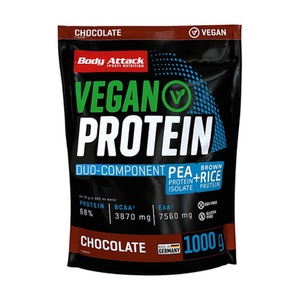
| Body Attack Vegan Protein 90 | pea (47%), brown rice (35%) | 1 kg |
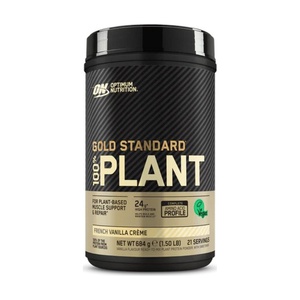
| Optimum Nutrition Gold Standard 100% Plant | pea, brown rice and sacha inchi, organic | 684 g |
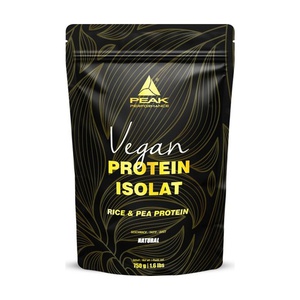
| Peak Vegan Protein Isolate | pumpkin, pea, fava bean, hemp, almond | 750 g |
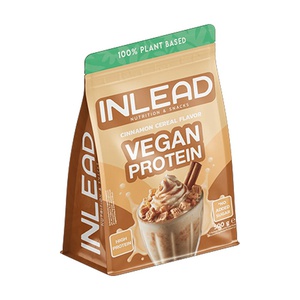
| Inlead Vegan Protein | soy, pea, almond, fava bean | 300 g or 500 g |
| QNT Vegan Protein | pea (64%), rice (27.4%) | 500 g |
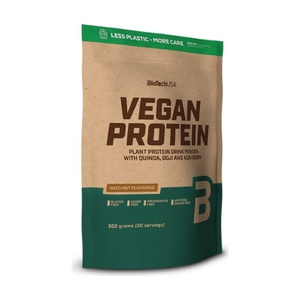
| BioTech USA Vegan Protein | pea, rice | 500 g |
Label values as of 02/11/2026. They may change with the flavour or a new formula: the product page is the reference.
Whey or plant protein: which one?
Very light taste and texture, mixes easily. The most common choice if you eat dairy and digest it well.
For vegans, people allergic to milk proteins or anyone who wants variety. Go for a blend (pea + rice) or soy.
What matters most is your total protein intake over the day, far more than the powder you pick. To work it out for your weight and sport, use our protein needs calculator.
For protein, only EU-authorised claims count, whatever its origin:
Protein contributes to a growth in muscle mass and to the maintenance of muscle mass.
This claim may be used for a product providing at least 12% of its energy as protein, which is the case for every powder in our selection.Protein contributes to the maintenance of normal bones.
Same condition: a source of protein as defined by EU regulation.How to take it (and make it taste good)
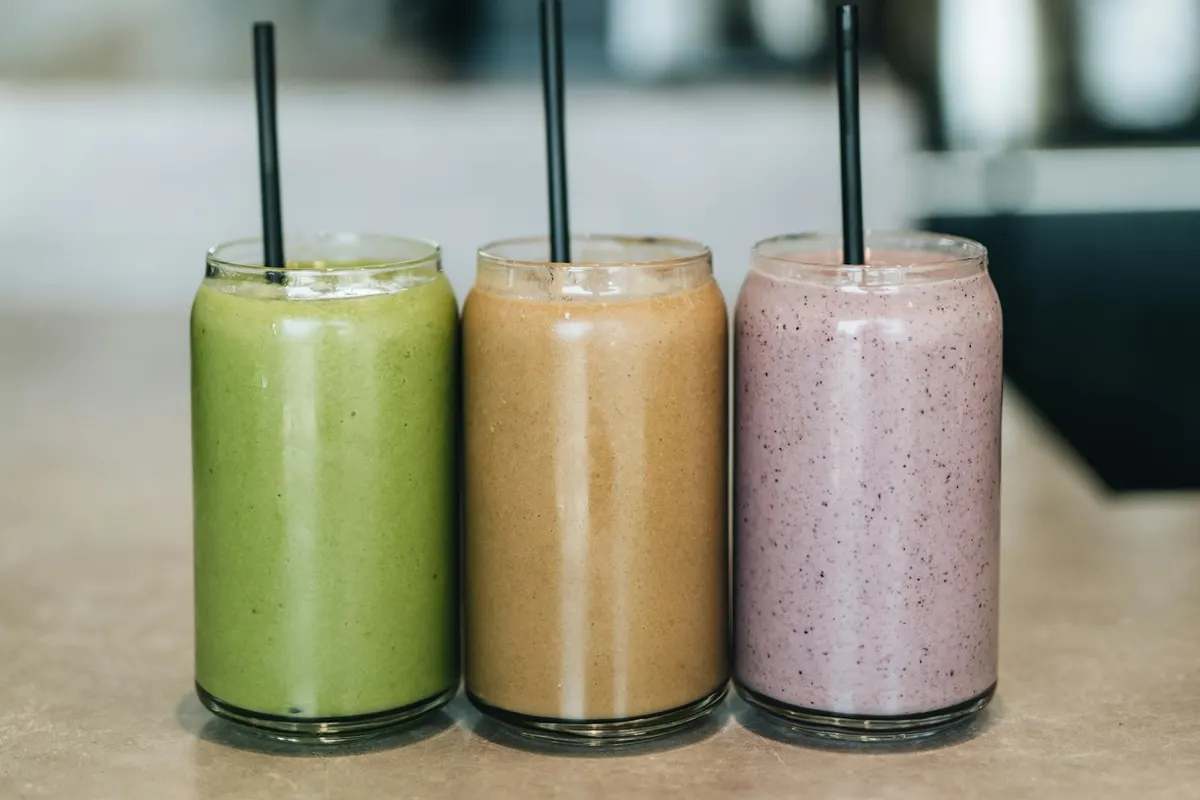
A plant protein is thicker than whey: shake a little longer, or add 50 ml of liquid. Chocolate, vanilla and cookie flavours mask the "earthy" taste best. Neutral or "natural" versions are made for cooking: pancakes, cakes, porridge.
Vegan: the labels to check
The word "vegan" (or a label such as the V-Label) is the safest sign. Without it, some ingredients may be of animal origin: vitamin D3 (often made from sheep's wool, except lichen D3) or some flavourings. For every protein in our vegan section, the ingredient list is on the product page.
What about vitamin B12?
It is only found naturally in animal products, so people following a vegan diet are advised to take it as a supplement. It isn't always included in vegan proteins (Optimum Nutrition 100% Plant contains it): check the label, or take it separately.
Vitamin B12 contributes to the reduction of tiredness and fatigue and to normal energy-yielding metabolism.
Claim allowed only if the product provides a significant amount of vitamin B12 (at least 15% of the reference intake per serving).The questions we get asked in store
Is whey vegan?
No. Whey is extracted from milk: it is a dairy product. It is not suitable for vegans, even as a low-lactose isolate. The alternatives are plant proteins (pea, rice, soy…).
What is "plant-based whey"?
The everyday name for a protein powder made from plants, used like whey: as a shake after training or during the day. The correct term is "plant protein" or "vegan protein".
What is the best vegan protein powder?
One that blends several plant sources (pea + rice is the most common) or is soy-based, says vegan on the pack and tastes good to you, so you'll take it regularly. Our selection below offers six.
Is plant protein as good as whey?
A blend of sources (pea + rice) or soy provides all the essential amino acids. Total daily protein intake matters most; with a plant protein, a slightly bigger serving makes up for its slightly lower leucine content.
Do vegan proteins contain lactose?
No, they contain no dairy ingredients. They may however contain soy or tree nuts: read the allergen list.
Is pea protein complete?
On its own, it is a little low in methionine. That's why it is often paired with rice, which contains more: together they form a complete profile.