The essentials in 30 seconds
- The champions: shrimp, tuna, cod, egg white, whey isolate and clear whey, over 20 g of protein per 100 kcal.
- Smart fridge picks: skyr, fat-free quark and chicken breast.
- The traps: nuts, peanut butter and classic snacks, maybe rich in protein, but mostly in calories.
- The bonus: your body burns 20 to 30% of protein calories just digesting it.
Why aim for low-calorie protein?
To lose weight, one rule never changes: you need to burn slightly more calories than you eat. The trap is that cutting calories often means cutting protein too. Yet protein is what helps preserve your muscles during that period.
Protein contributes to the maintenance of muscle mass.
Protein contributes to a growth in muscle mass.
So the idea is simple: choose foods that provide a lot of protein for few calories. To compare them, we look at how many grams of protein you get per 100 kcal.
The protein per calorie chart
The longer the bar, the more protein the food provides for few calories. Filter by family, and look at the small figure under each name: it is the number of calories you need to eat to get 30 g of protein, roughly one good high-protein meal.
- Shrimp (cooked)≈ 120 kcal for 30 g of protein24.2 g
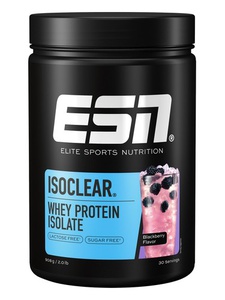
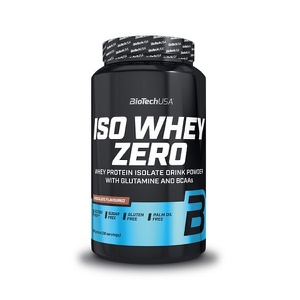
- Whey isolate (powder)≈ 120 kcal for 30 g of protein24.1 g
- Clear whey (powder)≈ 130 kcal for 30 g of protein23.9 g
- Tuna canned in water (drained)≈ 140 kcal for 30 g of protein22.0 g
- Cod (cooked)≈ 140 kcal for 30 g of protein21.7 g
- Pea protein (powder)≈ 140 kcal for 30 g of protein21.1 g
- Egg white≈ 140 kcal for 30 g of protein21.0 g
- Whey concentrate (powder)≈ 150 kcal for 30 g of protein19.5 g
- Chicken breast (cooked)≈ 160 kcal for 30 g of protein18.8 g
- Plain skyr≈ 170 kcal for 30 g of protein17.5 g
- 5% fat ground beef (raw)≈ 180 kcal for 30 g of protein16.8 g
- Fat-free quark≈ 190 kcal for 30 g of protein15.6 g
- Spinach≈ 240 kcal for 30 g of protein · but you need 1 kg for 29 g of protein12.6 g
- Firm tofu≈ 250 kcal for 30 g of protein12.0 g
- Cottage cheese≈ 260 kcal for 30 g of protein11.3 g
- Farmed salmon (cooked)≈ 280 kcal for 30 g of protein10.7 g
- Skimmed milk≈ 300 kcal for 30 g of protein10.0 g
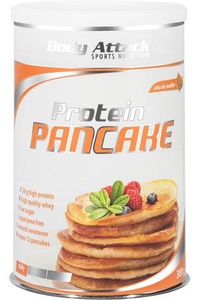
- Protein bar≈ 320 kcal for 30 g of protein · average9.4 g
- Parmesan≈ 330 kcal for 30 g of protein9.1 g
- Whole egg≈ 340 kcal for 30 g of protein8.8 g
- Broccoli≈ 360 kcal for 30 g of protein8.2 g
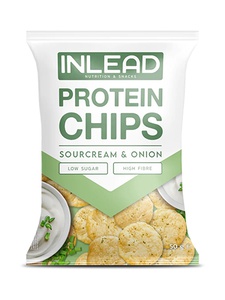
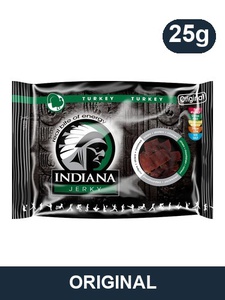
- Protein chips≈ 370 kcal for 30 g of protein · average of our 5 chips8.1 g
- Lentils (cooked)≈ 390 kcal for 30 g of protein7.8 g
- Chickpeas (cooked)≈ 550 kcal for 30 g of protein5.4 g
- Peanuts≈ 660 kcal for 30 g of protein4.6 g
- Pizza≈ 730 kcal for 30 g of protein4.1 g
- Pasta (cooked)≈ 820 kcal for 30 g of protein3.7 g
- Almonds≈ 820 kcal for 30 g of protein3.7 g
- Ice cream≈ 1770 kcal for 30 g of protein1.7 g
- Regular crisps≈ 2440 kcal for 30 g of protein1.2 g
- Chocolate spread≈ 2570 kcal for 30 g of protein1.2 g
Grams of protein per 100 kcal. Indicative average values (USDA FoodData Central, Ciqual ANSES, typical labels): they vary between products and brands.
The Tonic Food tip: for any product, divide the protein by the calories (per 100 g) and multiply by 100. Above 15 g per 100 kcal, it is an excellent "light" source. Below 5 g, it is mostly calories.
Our 3 habits for eating light and high-protein
The thermic effect of protein: calories that count less?
Digesting takes energy. This is called the thermic effect of food. And not all calories are equal: according to scientific estimates, the body uses about…
In practice: out of 100 kcal of protein, only 70 to 80 kcal are really available. Out of 100 kcal of fat, almost 100 remain. It does not change the basic rule (it is the daily total that counts), but it is one more small advantage for protein.
How much protein per day?
This is the European reference for adults, about 58 g a day for 70 kg. For athletes, 1.2 to 2 g per kilo is often quoted, depending on training. Spread it across your meals rather than all in the evening. Calculate your exact needs based on your weight and goal.
Questions we are asked in store
How many calories are in 1 g of protein?
1 g of protein provides 4 kcal, like 1 g of carbohydrate. 1 g of fat provides 9. That is why fatty foods quickly become calorie-dense, even when they contain protein.
Which protein has the fewest calories?
Among everyday foods: shrimp, tuna in water, cod and egg white, with over 20 g of protein per 100 kcal. Among powders, whey isolate and clear whey are at the same level.
What is the thermic effect of protein?
It is the energy the body spends to digest and absorb protein: about 20 to 30% of its calories, compared with 5 to 10% for carbohydrates and 0 to 3% for fat.
Does protein make you lose weight?
No food makes you lose weight on its own: it is the daily balance that counts. But keeping a good protein intake while cutting calories helps preserve muscle mass.
I am vegetarian, which light sources?
Skyr, fat-free quark, egg whites, tofu, or a pea protein powder. Pulses are interesting, but also bring a lot of carbohydrates.
Is a powder better than food?
Not better, more convenient. A whey isolate is as light as shrimp, but ready in 30 seconds. A varied diet remains ideal, topped up when needed.