
The essentials in 30 seconds
- What it does: magnesium contributes to the reduction of tiredness and fatigue, to normal muscle function and to electrolyte balance (EU-authorised claims).
- Which form: bisglycinate is gentle on the stomach; citrate is very common in drinks and ampoules; oxide packs a lot of magnesium per capsule.
- How much: look at the "elemental magnesium" figure, not the weight of the compound. 150 to 250 mg a day from a supplement is the usual range.
- When: with a meal or in the evening, every day. Too much at once can upset your stomach.
What is magnesium for?

Magnesium is a mineral involved in hundreds of reactions in the body. It is found in food, but many people turn to a supplement, especially those who train a lot. In Europe, only the claims below are allowed: if a product promises "better sleep" or "no more cramps", it is going beyond what the rules permit.
Magnesium contributes to a reduction of tiredness and fatigue and to normal energy-yielding metabolism.
Claim allowed when the product provides at least 15% of the reference intake (56 mg) per daily dose.Magnesium contributes to normal muscle function and to electrolyte balance.
Same condition. Also authorised: normal protein synthesis, normal functioning of the nervous system, normal psychological function, maintenance of normal bones and teeth.Bisglycinate, citrate, oxide: which form?
Magnesium is never sold on its own: it is always bound to another molecule, which gives the "form" written on the pack. What changes from one form to another is mainly how much magnesium it contains, how well it is tolerated, and the format it comes in.
Magnesium bound to glycine, an amino acid. Well tolerated by the stomach: the go-to choice in capsules for daily use, and the best-selling form on our site.
Used in powders, drinks and ampoules. Well absorbed, but in large amounts it is the one most likely to loosen the stools.
Contains a lot of magnesium per gram, so small capsules. It is generally considered less well absorbed than the forms above.
Often combined in "complex" or "tri-magnesium" formulas to mix several forms in one dose.
Tonic Food tip: on the label, look for the line "of which magnesium" or "elemental magnesium". 750 mg of magnesium bisglycinate only contains about 150 mg of magnesium: that is the figure that counts.
What our magnesium labels say
| Product | Form | Format | Magnesium per dose |
|---|---|---|---|
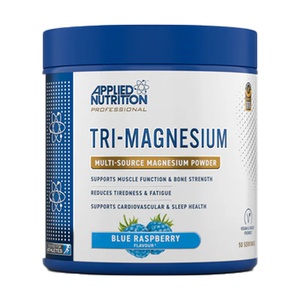
| Applied Nutrition Tri-Magnesium | bisglycinate, taurate, citrate | powder, 3 g | 225 mg |
| Body Attack Magnesium Shot | citrate (+ vitamin C) | 25 ml ampoule | 252 mg |
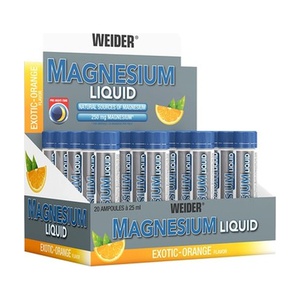
| Weider Magnesium Liquid | citrate, lactate, gluconate | 25 ml ampoule | 250 mg |
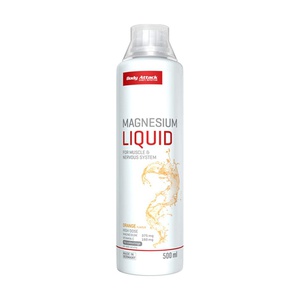
| Body Attack Magnesium Liquid | citrate (+ vitamin C) | 12.5 ml | 187.5 mg |
| ESN, Body Attack, Inlead Magnesium Bisglycinate | bisglycinate | 1 capsule | 150 mg |
Label values as of 12/11/2026. The product page is the reference. The bisglycinate capsules are temporarily out of stock.
How much magnesium per day?
The EU reference intake for an adult is 375 mg of magnesium a day, from all sources. Most of it should come from your diet; a supplement tops it up.
For magnesium from supplements, the European Food Safety Authority (EFSA) has set an upper level of 250 mg a day for adults: above that, the main effect observed is a laxative one. Some products recommend more on their label (two ampoules a day, for example): if your stomach is sensitive, start with one dose and spread it over the day.
When to take it?
If you train, you can also take it after your session with your shake or a meal. Avoid taking it at the same time as an iron or zinc supplement: space them a few hours apart.
And in your plate?

The richest foods: pumpkin seeds, almonds, cashews, dark chocolate (70% and above), whole grains (oats, wholemeal bread), pulses (lentils, chickpeas), green leafy vegetables, and some mineral waters very rich in magnesium (check the label). Our cashew butter guide gives a few ideas.
The questions we get asked in store
Which form of magnesium is best?
For a daily capsule, bisglycinate is the most popular because it is well tolerated by the stomach. Citrate is common in drinks and ampoules. Oxide contains a lot of magnesium per capsule but is generally considered less well absorbed. Whatever the form, compare the "elemental magnesium" per dose.
Does magnesium help you sleep?
No claim about sleep is authorised in Europe for magnesium. The authorised claims are about fatigue, the nervous system, psychological function and muscle function. Many people take it in the evening out of habit, which is perfectly fine.
Does magnesium stop cramps?
No claim about cramps is authorised. Magnesium contributes to normal muscle function and to electrolyte balance. Cramps have many causes: if they are frequent, talk to your doctor.
How much magnesium per day?
The EU reference intake is 375 mg a day from all sources. For supplements, EFSA has set an upper level of 250 mg a day for adults. Follow the dose on the label.
Morning or evening?
There is no scientifically better time. Take it with a meal if your stomach is sensitive, and above all every day.
Can I take magnesium with zinc or vitamin D?
With vitamin D, yes: some products even combine them. With zinc or iron, space the doses a few hours apart. In case of doubt or medication, ask your pharmacist.