The essentials in 30 seconds
- What it is: a powder or a shot you drink before training, usually based on caffeine, beta-alanine and citrulline.
- Caffeine: 150 to 200 mg per serving in our pre-workouts, about two espressos. Do not exceed 400 mg a day, coffee included.
- Timing: 20 to 30 minutes before your session, one serving only, and not late in the day if you sleep badly.
- Which one: with caffeine for morning and lunchtime sessions, caffeine-free for the evening or if you are sensitive to it.
What exactly is a pre-workout?
It is a supplement you drink before training: a powder to mix with water, or a small ready-to-drink shot. Every brand has its own recipe, but you almost always find the same ingredients, at very different doses. That is why the label matters more than the product name.
Let us be clear from the start: in Europe, no health claim is authorised for caffeine, beta-alanine or citrulline. A manufacturer is therefore not allowed to promise you more strength, more endurance or a guaranteed "pump". This guide tells you what is in the tub and how to use it sensibly; the rest depends on your training, your sleep and your diet.
What you find in a pre-workout
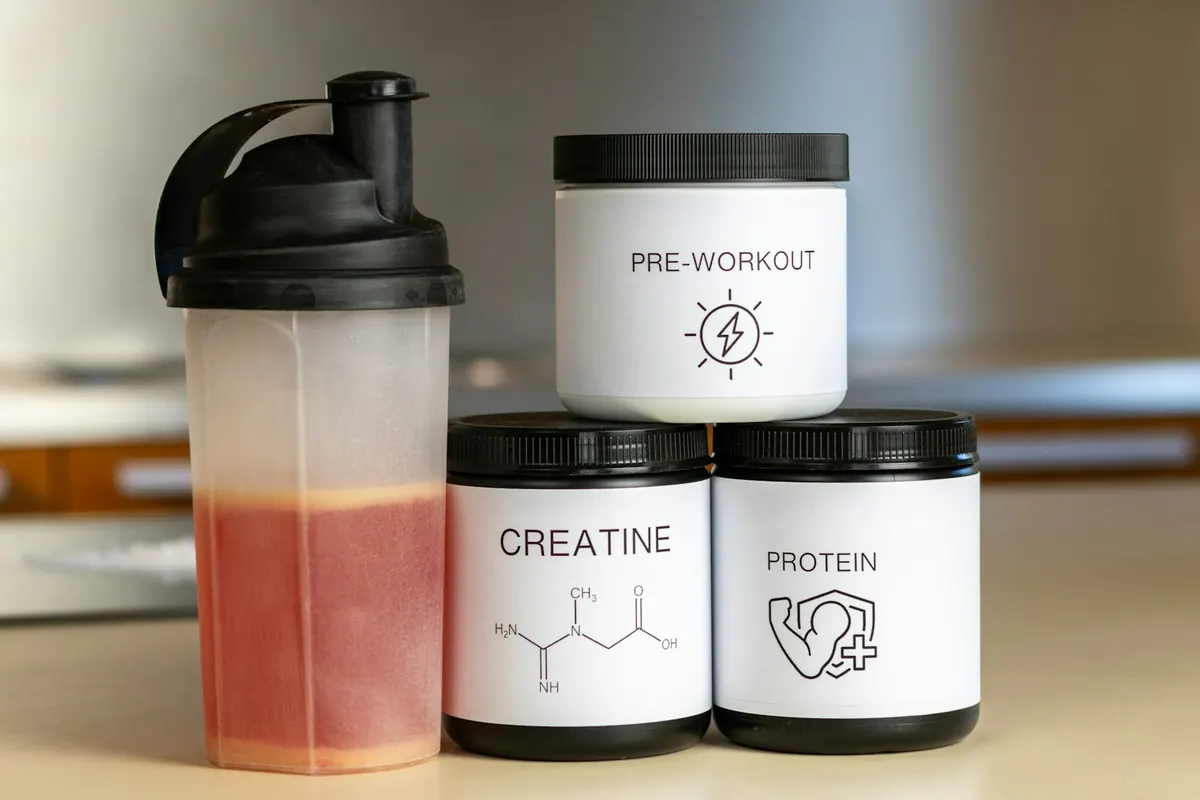
A stimulant, and the reason most people buy a pre-workout. From 150 to 200 mg per serving in the products of our selection, sometimes more elsewhere.
An amino acid, behind the famous tingling on the face and hands. From 1.6 to 3.2 g per serving depending on the formula.
An amino acid, the star ingredient of so-called "pump" formulas. It is also sold on its own in our amino acids section.
Some formulas add creatine or B vitamins. Check the dose: it is often lower than in a stand-alone product.
For added ingredients, only EU-authorised claims count, and only if the dose is there:
Creatine increases physical performance in successive bursts of short-term, high intensity exercise.
The beneficial effect is obtained with a daily intake of 3 g of creatine: many pre-workouts contain less.Vitamin B6 and vitamin B12 contribute to the reduction of tiredness and fatigue.
The claim only applies if the product provides a significant amount of the vitamin (at least 15% of the reference intake per serving).Tonic Food tip: if you already take creatine every day, you do not need it in your pre-workout. Compare the caffeine dose instead. Everything you need to know is in our creatine guide.
How much caffeine per serving?
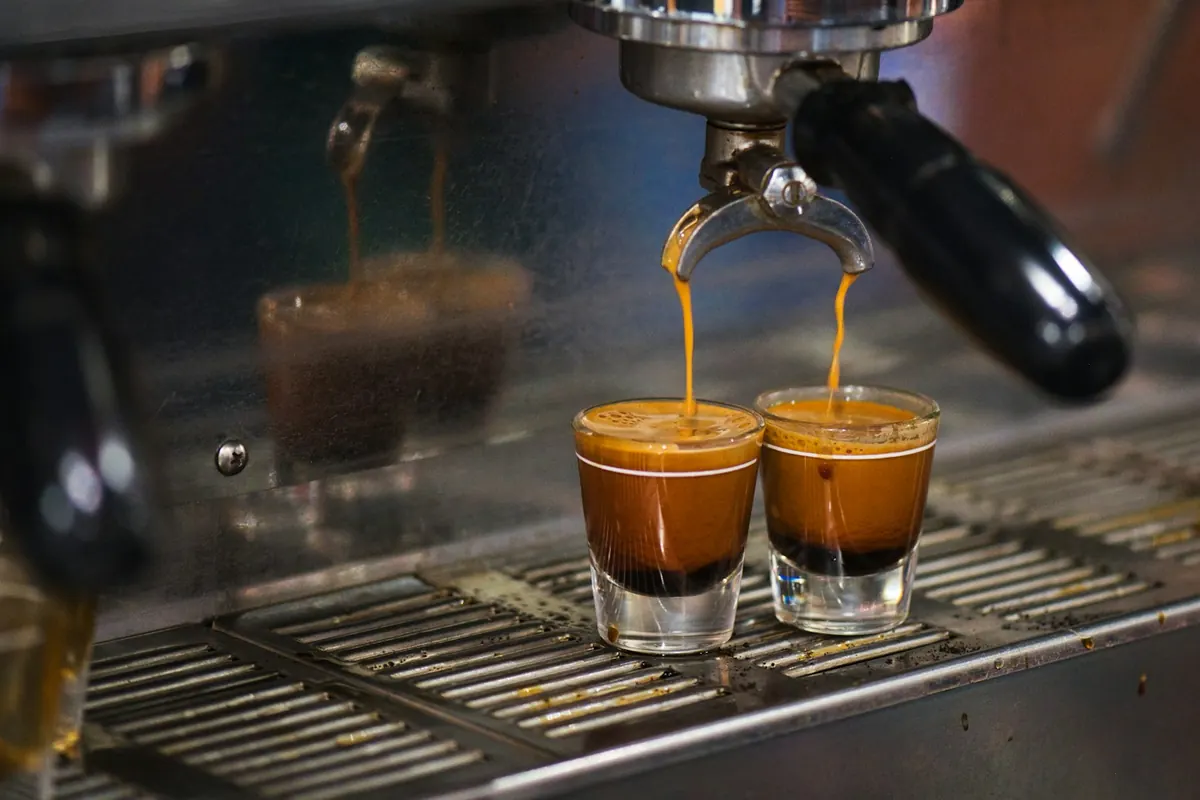
This is THE question to ask before buying. Here is what the labels of the pre-workouts in our selection say, compared with a coffee:
| Product | Serving | Caffeine |
|---|---|---|
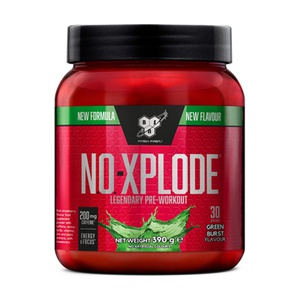
| BSN NO-Xplode | 13 g | 200 mg |
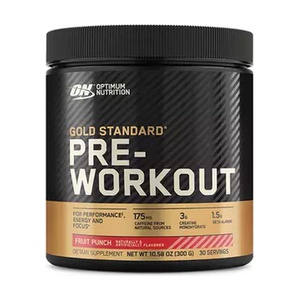
| Optimum Nutrition Gold Standard Pre-Workout | 10 g | 175 mg |
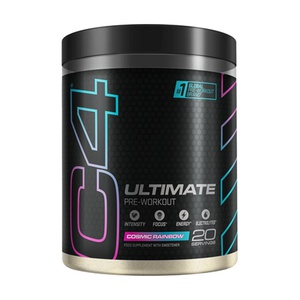
| Cellucor C4 Ultimate | 12.7 g | 150 mg |
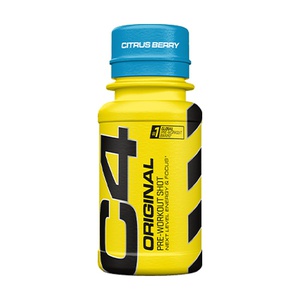
| Cellucor C4 Shot (ready to drink) | 60 ml | 150 mg |
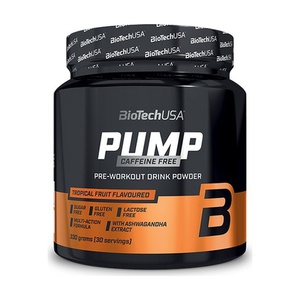
| BioTech USA Pump Caffeine Free | 11 g | 0 mg |
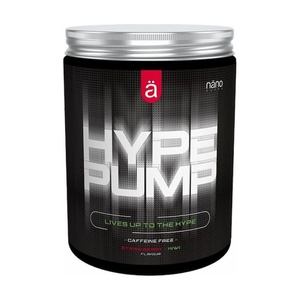
| Nanosupps Hype Pump | 15 g | 0 mg |
| For comparison: an espresso | 60 ml | about 80 mg |
Label values as of 29/10/2026, per serving. They may change with the flavour or a new formula: the product page is the reference.
The official benchmarks
The European Food Safety Authority (EFSA) considers that, for a healthy adult:
- up to 200 mg of caffeine in a single serving raises no safety concerns, including in the two hours before intense physical exercise;
- up to 400 mg a day, from all sources (coffee, tea, cola, energy drinks, pre-workout), raises no safety concerns either;
- for pregnant or breastfeeding women the limit is 200 mg a day: pre-workouts with caffeine should be avoided.
With or without caffeine?
The "classic" pre-workout. Start with half a serving to see how you tolerate it, especially if you drink little coffee.
Stimulant-free "pump" formulas: citrulline, betaine, sometimes beta-alanine. Ideal if you train after 5 pm or if caffeine makes you jittery.
Caffeine takes several hours to clear, and its effect on sleep varies a lot from one person to another. If you train in the evening and sleep worse on training days, switch to caffeine-free: it is often the simplest change.
When and how to take it?
Follow the dose on the label, no more. Many tubs come with a scoop that equals a full serving: to start with, half a scoop is enough. Avoid taking it on a completely empty stomach if your stomach is sensitive.
Why does it tingle?
That is the beta-alanine. 15 to 20 minutes after taking it, many people feel tingling on the face, neck or hands. It is a well-known, temporary reaction that usually fades within an hour, and it is stronger with a large dose. If it bothers you, choose a formula without beta-alanine, such as Nanosupps Hype Pump.
Should you take breaks?
With caffeine, your body gets used to it: the same dose feels weaker over the weeks. Many athletes keep it for their hardest sessions rather than taking it every time, and take a one- to two-week break now and then.
The questions we get in store
When should I take my pre-workout?
20 to 30 minutes before training, as most manufacturers recommend. One serving a day only, and not late in the day if it contains caffeine and you sleep badly.
How much caffeine is in a pre-workout?
150 to 200 mg per serving for the products in our selection, about two espressos. Some formulas contain more: read the label, and do not exceed 400 mg of caffeine a day from all sources.
Is pre-workout dangerous?
For a healthy adult who sticks to the dose on the label, EFSA sees no concern up to 200 mg of caffeine per serving and 400 mg a day. The risk mainly comes from adding things up (double servings, coffees, energy drinks). Not recommended for under-18s or for pregnant or breastfeeding women; if you have a health condition or take medication, ask your doctor.
Why does pre-workout make you tingle?
Because of the beta-alanine. Tingling on the face, neck or hands is a known, temporary reaction that usually fades within an hour. If it bothers you, choose a formula without beta-alanine.
Can I take pre-workout in the evening?
Yes, but preferably caffeine-free: caffeine takes several hours to clear and can disturb your sleep. Stimulant-free "pump" formulas are made for that.
Is it a doping product?
Caffeine is not on the World Anti-Doping Agency's prohibited list. But some pre-workouts sold outside the EU have been found to contain banned substances: if you are tested in competition, choose a verified product, for example one on the Kölner Liste.